Hot Fill Liquid Tea Copacking: From Formulation to Finished Product
The ready-to-drink (RTD) tea market continues to grow as consumers seek beverages that deliver flavor, convenience, and wellness benefits. From traditional black tea and green tea products to functional teas featuring botanicals, adaptogens, and natural energy ingredients, tea remains one of the most versatile and popular beverage categories.
If you're considering launching a tea brand, understanding the process from formulation to manufacturing is essential.
Whether you're developing an organic green tea, a low-sugar black tea, a functional wellness beverage, or an innovative botanical blend, the right formulation and copacking partner can help transform your concept into a retail-ready product.
Why Ready-to-Drink Tea Continues to Grow
Consumers are increasingly looking for beverages that offer:
- Clean-label ingredients
- Lower sugar content
- Functional benefits
- Natural caffeine sources
- Botanical ingredients
- Wellness-focused positioning
As a result, tea beverages have expanded far beyond traditional sweet tea products.
Today's market includes:
- Organic teas
- Functional teas
- Adaptogen teas
- Energy teas
- Botanical tea blends
- Wellness teas
- Low-sugar teas
- Unsweetened teas
- Sparkling teas
This diversity creates opportunities for both emerging brands and established beverage companies.
The First Step: Tea Beverage Formulation
Every successful beverage starts with a strong formulation.
Tea formulation involves much more than simply brewing tea and bottling it. A beverage must be designed to maintain flavor, stability, appearance, and consistency throughout manufacturing and shelf life.
Key formulation considerations include:
- Tea selection
- Flavor development
- Sweetener systems
- Acidity and pH
- Functional ingredients
- Shelf stability
- Packaging compatibility
- Manufacturing scalability
Working with an experienced beverage formulation team helps ensure the product performs successfully during commercial production.
Choosing Your Tea Base
The foundation of any RTD tea beverage begins with selecting the appropriate tea variety.
Black Tea
Black tea remains one of the most recognizable and widely consumed tea categories.
Popular flavor combinations include:
- Lemon Black Tea
- Peach Black Tea
- Raspberry Black Tea
- Honey Black Tea
- Southern Sweet Tea
Black tea provides a bold flavor profile and pairs well with both traditional and modern beverage concepts.
Green Tea
Green tea continues to attract health-conscious consumers looking for lighter flavor profiles and wellness-focused products.
Popular combinations include:
- Citrus Green Tea
- Honey Green Tea
- Ginger Green Tea
- Mint Green Tea
- Tropical Green Tea
White Tea
White tea offers a delicate, premium flavor profile that works well in elevated beverage concepts.
Popular flavors include:
- White Tea Peach
- White Tea Pear
- White Tea Citrus
- White Tea Berry
Herbal Tea
Herbal tea formulations provide caffeine-free alternatives and unique flavor experiences.
Examples include:
- Hibiscus Tea
- Chamomile Tea
- Rooibos Tea
- Lavender Tea
- Peppermint Tea
Functional Tea Formulation Trends
One of the fastest-growing segments in the beverage industry is functional tea.
Today's consumers are looking for beverages that support their lifestyle goals while delivering great taste.
Popular functional tea ingredients include:
- Adaptogens
- Botanical extracts
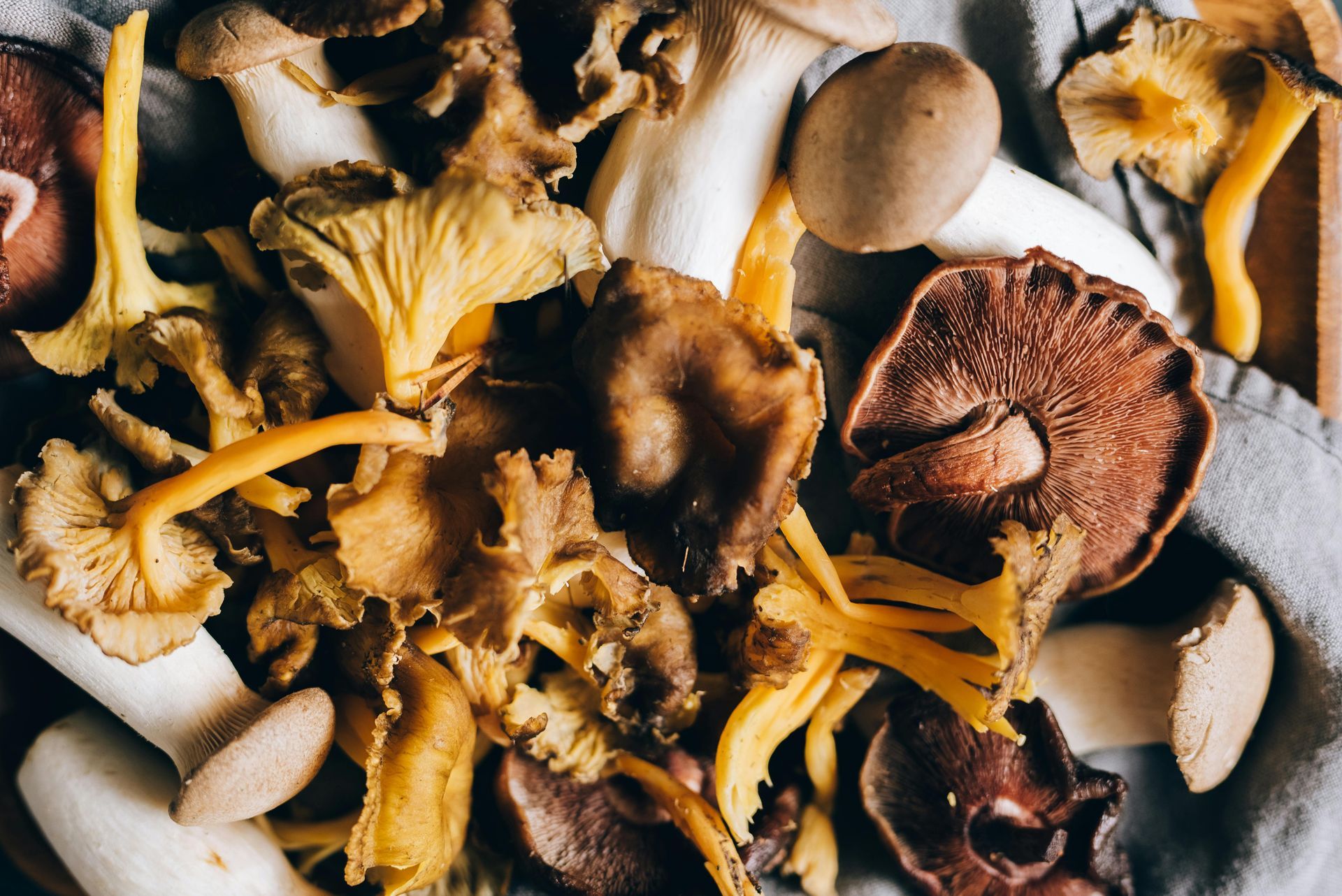
- Mushrooms
- Vitamins
- Electrolytes
- Antioxidants
- Natural caffeine sources
Examples of trending functional tea concepts include:
- Energy teas
- Focus teas
- Adaptogen wellness teas
- Botanical relaxation teas
- Mushroom tea beverages
- Hydration-focused teas
Successfully formulating these beverages requires balancing functionality, flavor, and shelf stability.
Sweetened, Reduced-Sugar, and Unsweetened Tea Options
Consumer preferences continue shifting toward lower-sugar beverage options.
Brands typically choose between three approaches:
Traditional Sweetened Tea
Sweetened using:
- Cane sugar
- Organic cane sugar
- Honey
- Agave
Reduced-Sugar Tea
Sweetened using:
- Monk fruit
- Stevia
- Natural sweetener blends
Unsweetened Tea
Unsweetened tea products continue gaining market share among consumers seeking clean-label and low-calorie beverages.
Each approach requires careful formulation to achieve optimal flavor and consumer acceptance.
Packaging Options for Tea Beverages
Packaging plays a significant role in product positioning, shelf appeal, and manufacturing requirements.
Glass Bottles
Glass bottles offer:
- Premium appearance
- Excellent flavor protection
- Strong sustainability perception
- High-end shelf presence
Glass packaging is commonly used for premium tea and wellness beverage brands.
PET Bottles
PET bottles remain one of the most widely used packaging formats in the RTD tea category.
Benefits include:
- Lightweight transportation
- Lower shipping costs
- Durability
- Consumer convenience
- Wide range of bottle sizes
Aluminum Cans
Many brands are also exploring cans for tea beverages due to:
- Sustainability benefits
- Portability
- Strong shelf presence
- Growing consumer preference
The ideal packaging choice depends on your target audience, retail strategy, and overall brand positioning.
Liquid Tea Copacking
One of the biggest challenges for beverage entrepreneurs is successfully scaling a product from the development stage to full-scale manufacturing.
Our qualified liquid tea copacking team can assist with:
- Beverage formulation
- Pilot production
- Ingredient sourcing
- Packaging selection
- Regulatory guidance
- Production planning
- Commercial manufacturing
This helps ensure product consistency and reduces costly production issues during launch.
Why Choose Big Brands for Your Liquid Tea Project?
Selecting the right tea manufacturer is one of the most important decisions in the beverage development process.
Big Brands offers:
- Commercial beverage formulation
- Tea beverage expertise
- Multiple packaging capabilities
- Pilot production services
- Ingredient sourcing support
- Regulatory knowledge
- Scalable manufacturing solutions
The right liquid tea copacker can help accelerate product development while supporting long-term growth.
Bringing Your Tea Brand to Market
Launching a successful tea beverage requires more than a great idea. It requires strategic formulation, scalable manufacturing, thoughtful packaging, and a trusted production partner.
Whether you're developing a traditional black tea, functional wellness beverage, botanical tea blend, or innovative RTD tea concept, partnering with an experienced beverage development and copacking team can help bring your vision to life.
From formulation and flavor development to commercial manufacturing and packaging, the right partner can help transform your tea concept into a successful retail-ready product.