Still vs. Sparkling: What’s the Difference for Your Beverage Project?
When developing a new beverage, some of the biggest decisions happen before the first production run. One of those decisions is whether your beverage product should be a still beverage or a sparkling beverage.
While the difference may seem simple—one has carbonation and one doesn't—the choice can affect nearly every part of a beverage project. Carbonation can change the taste, mouthfeel, formulation, packaging, processing requirements, and even how consumers experience the finished product.
If you're developing a beverage for commercial production, understanding the difference between still and sparkling beverages can help you make the right decision early in the development process.
What Is a Still Beverage?
A still beverage is simply a beverage without carbonation.
Still beverages include a wide range of products, such as:
- Bottled water
- Juice and juice beverages
- Sports drinks
- Energy drinks
- Functional beverages
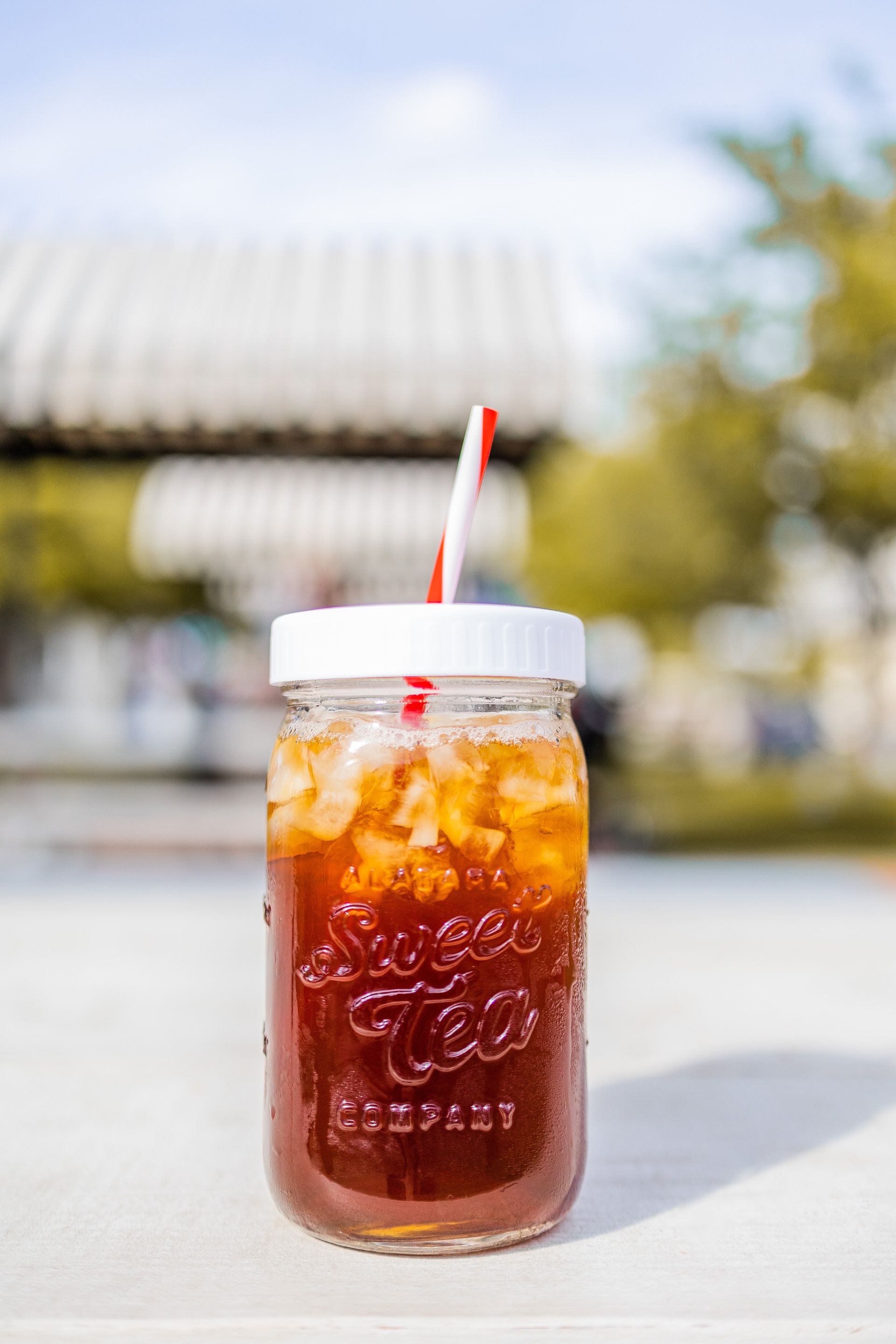
- Ready-to-drink teas
- Coffee beverages
- Protein drinks
- Flavored waters
- Wellness beverages
Because there is no carbonation, the formulation relies entirely on the ingredients to create the beverage's flavor, aroma, body, and mouthfeel.
For many beverage concepts, still is the most natural format. A protein coffee, for example, generally makes sense as a still beverage, while a sparkling botanical beverage may be designed specifically around carbonation.
What Is a Sparkling Beverage?
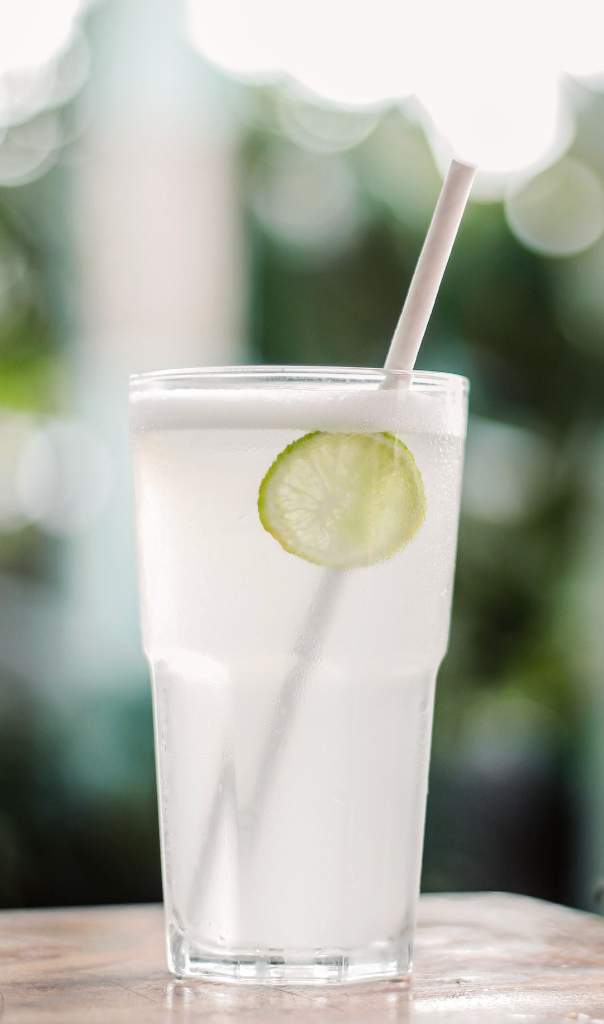
A sparkling beverage contains dissolved carbon dioxide (CO₂), which creates the familiar bubbles and carbonation consumers associate with products such as sparkling water, soda, sparkling energy drinks, and many ready-to-drink cocktails.
Carbonation does more than create bubbles. It changes the sensory experience of the beverage.
Carbon dioxide creates a characteristic tingling sensation and can make a beverage feel lighter, brighter, and more refreshing. It can also influence how consumers perceive acidity, sweetness, and flavor.
Examples of sparkling beverages include:
- Sparkling water
- Carbonated soft drinks
- Sparkling functional beverages
- Sparkling energy drinks
- Sparkling teas
- Carbonated juice beverages
- Sparkling alcoholic and non-alcoholic cocktails
Still vs. Sparkling: How Does Carbonation Change the Beverage?
The biggest difference between the two formats is what carbonation does to the overall drinking experience.
Mouthfeel
Still beverages tend to have a smoother, softer mouthfeel.
Carbonation creates a noticeable sensation on the tongue and can make a beverage feel more crisp and refreshing.
This can be particularly useful for beverages intended to be consumed cold and positioned around refreshment.
Flavor Perception
Carbonation can change the way flavors are perceived. The presence of dissolved CO₂ can contribute acidity and a slight bite, which may make certain flavors seem brighter or more pronounced. A formulation that tastes balanced as a still beverage may not taste exactly the same once it is carbonated. That's why a beverage formula should be evaluated in its intended final format.
Sweetness and Acidity
Carbonation can influence the perception of sweetness and acidity.
A beverage developer may need to adjust the formula after carbonation is introduced to achieve the desired flavor balance. This is one reason beverage formulation isn't simply a matter of creating a still formula and adding bubbles at the end.
Does Carbonation Affect Beverage Formulation?
The answer is, yes. When developing a sparkling beverage, carbonation needs to be considered as part of the overall formulation. Factors such as pH, acidity, sweetener selection, flavor profile, and ingredient compatibility can all influence the finished product.
Some ingredients also behave differently in carbonated beverages than they do in still beverages.
For example, ingredients that create a particular texture or mouthfeel in a still beverage may not produce the same sensory experience once carbonation is introduced. The formulation should therefore be developed and tested in the intended finished format.
Packaging Considerations for Sparkling Beverages
One of the biggest practical differences between still and sparkling beverages is packaging. A carbonated beverage contains pressure created by dissolved carbon dioxide. The package therefore needs to be designed to handle that pressure throughout processing, transportation, storage, and distribution.
Common packaging formats for sparkling beverages include:
- Aluminum cans
- Glass bottles
- PET bottles designed for carbonated beverages
The specific package depends on the product, processing method, distribution requirements, brand positioning, and other factors. Still beverages generally have more flexibility when it comes to packaging because they don't require the same pressure-management considerations.
Manufacturing Still vs. Sparkling Beverages
The manufacturing process also differs. A still beverage typically involves blending and processing the beverage according to its specific formulation and food-safety requirements before filling into the selected package.
Sparkling beverages add another important step: carbonation.
Carbonation needs to be controlled so the finished product reaches the desired level of carbonation consistently from batch to batch. Factors such as beverage temperature, pressure, carbonation equipment, package type, and filling conditions can all affect the final result. For a commercial beverage project, these variables need to be considered during product development rather than after the formula is finalized.
Should Your Beverage Be Still or Sparkling?
There isn't one format that works for every beverage. The better question is: Which format makes sense for your product concept and target consumer?
A still beverage may make sense when:
- The product is creamy or protein-based
- The beverage is designed around a smooth mouthfeel
- You're developing a coffee or tea beverage
- The ingredients aren't well suited to carbonation
- The concept is focused on nutrition or functionality
A sparkling format may make sense when:
- Refreshment is central to the product
- You want a crisp, bright drinking experience
- The beverage is water-based
- You're developing a soda alternative
- The product is a sparkling functional beverage
- Carbonation is an important part of the consumer experience
Of course, there are exceptions to all of these. The formulation and intended consumer experience ultimately determine what works.
Think About Still or Sparkling Early in Development
One of the biggest mistakes a new beverage brand can make is waiting too long to decide whether the product will be still or sparkling.
The choice can affect:
Formulation → Processing → Carbonation → Packaging → Filling → Distribution
Changing from a still beverage to a sparkling beverage late in development can require significant adjustments to the formula, packaging, and manufacturing process.
That's why it's helpful to make the decision early and develop the beverage around its intended final format.
Developing a Still or Sparkling Beverage for Commercial Production
Whether you're developing a still functional beverage, sparkling water, carbonated energy drink, RTD cocktail, protein beverage, or another beverage concept, the manufacturing process should be considered from the beginning.
At Big Brands beverage manufacutring, we work with beverage companies developing products for commercial production, from formulation and product development through manufacturing and packaging.
If you're not sure whether your concept should be still or sparkling, that decision can be evaluated as part of the development process based on your formulation, product goals, packaging, and intended market.
Have a beverage concept you're ready to bring to market? Contact Big Brands Beverage to discuss your formulation and commercial manufacturing project.