Tequila Sparkling Cocktails - Canned RTD Drinks
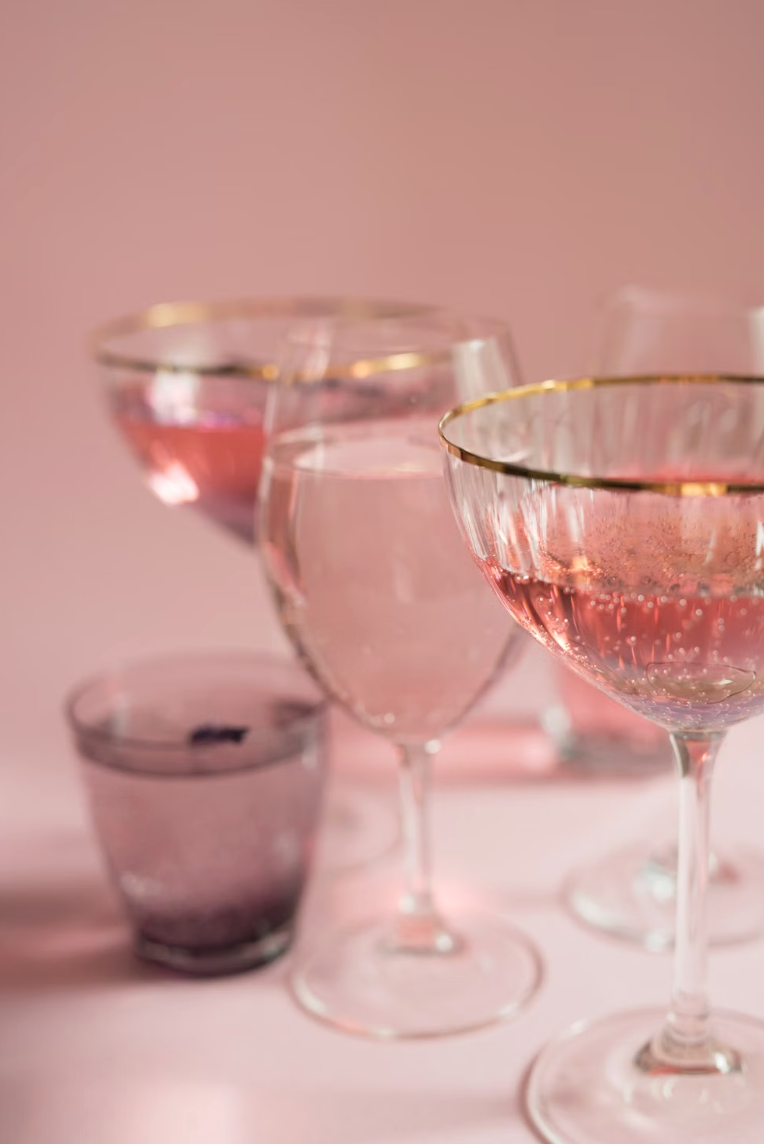
The ready-to-drink (RTD) alcoholic beverage market continues to create opportunities for brands looking beyond traditional canned cocktails, hard seltzers, and flavored malt beverages. One interesting direction is the tequila-based sparkling cocktail: a canned beverage that combines tequila, sparkling water, real fruit juice, sea salt, and natural flavors.
This style of beverage offers a different approach to the canned cocktail category. With an alcohol content around 8% ABV and no added sugar, it brings together a spirit-based foundation, fruit-forward flavor, and a crisp sparkling finish. For beverage entrepreneurs and established alcohol brands, it also presents an opportunity to develop something distinctive in an increasingly competitive RTD market.
What Is a Tequila-Based Sparkling Cocktail?
A tequila-based sparkling cocktail is a ready-to-drink alcoholic beverage that uses tequila as its spirit base rather than relying on malt alcohol or another neutral alcohol source.
A product in this category might include:
- Tequila: The alcoholic foundation of the beverage.
- Sparkling water: Provides carbonation and a lighter, refreshing texture.
- Real fruit juice: Adds fruit character, flavor, and potentially natural sweetness.
- Sea salt: Adds a subtle savory element that can complement tequila and citrus flavors.
- Natural flavors: Help develop and balance the overall flavor profile.
- No added sugar: A formulation approach that avoids adding additional sugar, although juice may still contribute naturally occurring sugars.
The result is a beverage that sits somewhere between a traditional tequila cocktail and a sparkling alcoholic refresher. Unlike a conventional margarita, which often relies on sweeteners and citrus liqueurs, this style of drink can use a simpler ingredient approach while still delivering recognizable cocktail flavors.
Why This Is an Interesting Opportunity for Alcoholic Beverage Brands
Consumers have become familiar with canned cocktails and hard seltzers, but that doesn't mean the category has stopped evolving. Brands continue to explore new spirit bases, ingredient combinations, flavor profiles, and alcohol levels. Tequila-based sparkling beverages offer several opportunities for differentiation.
1. A Different Spirit Base
Vodka and malt-based beverages have been common foundations for many RTD products. Tequila provides another option, with a recognizable flavor and established association with cocktails such as margaritas, Palomas, and ranch water. Using tequila as the base can help a brand develop a product with a more defined identity.
2. A Higher Alcohol Content
An 8% ABV beverage offers a different positioning than many lower-alcohol sparkling drinks. However, higher alcohol content creates additional formulation considerations. The tequila needs to integrate well with the juice, carbonation, and other ingredients without creating an overly strong or unbalanced taste. Alcohol content also influences serving size, packaging decisions, labeling, and regulatory requirements.
3. Real Juice and No Added Sugar
Real juice can provide recognizable fruit flavor and help create a more natural-tasting beverage. Pairing juice with a no-added-sugar formulation can also offer an alternative to sweeter canned cocktails. It's important to remember that no added sugar does not necessarily mean sugar-free. Fruit juice contains naturally occurring sugars, and the finished product's nutritional profile will depend on the ingredients and formulation. For brands, this distinction matters when developing product claims and packaging language.
4. More Room for Creative Flavor Development
Tequila, sparkling water, fruit juice, and sea salt provide a flexible foundation for developing different flavor combinations. Rather than simply reproducing a traditional cocktail, brands can explore combinations that feel fresh and distinctive.
Flavor Ideas for Tequila Sparkling Cocktails - Canned RTD Drinks
One of the advantages of this product concept is its flexibility. Tequila works with citrus, tropical fruit, berries, and even more unexpected flavor combinations.
Some possibilities include:
Classic and citrus-forward
- Lime and sea salt
- Grapefruit and lime
- Blood orange
- Lemon and agave
Tropical and fruit-forward
- Pineapple and lime
- Mango and passion fruit
- Guava and grapefruit
- Watermelon and citrus
More adventurous combinations
- Cucumber and jalapeño
- Prickly pear and lime
- Blood orange and hibiscus
- Pineapple and ginger
The goal is to create a flavor that complements the tequila rather than simply masking it. Salt, acidity, sweetness, carbonation, and alcohol all influence how the finished beverage tastes. A successful formulation needs to balance these elements while maintaining a consistent flavor from the first production run to the next.
Formulating an 8% ABV Sparkling Tequila Beverage
Creating a canned alcoholic beverage is more involved than combining a spirit with juice and carbonated water. Each ingredient affects the finished product, and the formulation must be developed with commercial production in mind. Below are several important considerations for tequila sparkling cocktails - canned RTD drinks.
Alcohol Content and Flavor Balance
At 8% ABV, tequila contributes a noticeable amount of alcohol character. The selected tequila, its flavor profile, and its interaction with the other ingredients all matter. The formulation team needs to consider how the alcohol affects the overall taste, aroma, and mouthfeel. Fruit juice and natural flavors can complement the tequila, while acidity and salt can help bring the flavor profile together.
Juice Selection and Stability
Real juice can contribute flavor, color, acidity, and naturally occurring sugars. However, juice also introduces formulation and processing considerations.
Depending on the juice and the finished beverage, brands may need to evaluate:
- Ingredient compatibility and stability
- Sedimentation or separation
- Changes in color and flavor over time
- Acidity and pH
- Appropriate processing and shelf-life requirements
The right approach depends on the specific juice ingredients and the beverage's overall composition.
Carbonation
Sparkling water gives this category its crisp, refreshing character, but carbonation must be considered alongside the alcohol content and juice ingredients. The desired carbonation level, processing method, temperature, and packaging all influence the finished product. A beverage that tastes balanced in a small formulation sample may behave differently during larger-scale production. Pilot testing can help identify potential issues before committing to a full production run.
No-Added-Sugar Formulation
Developing a beverage without added sugar requires careful attention to the natural characteristics of the ingredients. Fruit juice may provide some sweetness, but it also contributes acidity and flavor intensity. Depending on the selected fruits, the finished beverage may need additional adjustments to achieve the desired taste.
Brands should also evaluate the finished product's nutritional information and verify that any no-added-sugar claims meet applicable labeling requirements.
Taking a Sparkling Tequila Beverage From Concept to Commercial Production
Once the initial concept and flavor direction are established, the next challenge is determining how to manufacture the beverage consistently at commercial scale.
A typical development process may involve several stages:
1. Product concept and ingredient selection - Establish the spirit base, target alcohol content, flavor direction, juice ingredients, carbonation goals, and desired nutritional profile.
2. Formulation and product development - Develop and refine the beverage to achieve the intended flavor, alcohol level, acidity, and carbonation. This is also where ingredient compatibility and potential stability concerns should be evaluated.
3. Pilot production and testing - Before moving into larger production volumes, pilot runs can help evaluate how the formulation performs under production conditions. Shelf-life and packaging compatibility testing are also important considerations.
4. Manufacturing and packaging - The production process must account for the beverage's alcohol content, juice ingredients, carbonation, and packaging requirements. Cans are a natural format to consider for this category, although the appropriate filling and processing approach depends on the finished formulation.
5. Quality control and regulatory considerations - Alcoholic beverage production involves requirements that differ from non-alcoholic beverage manufacturing. Brands need to account for applicable federal and state requirements, product classification, labeling, ingredient declarations, and any required approvals. Working with experienced manufacturing and regulatory professionals can help identify these considerations early in the development process.
Is a Tequila-Based Sparkling Cocktail Right for Your Beverage Brand?
For brands interested in developing a new RTD alcoholic beverage, a sparkling tequila cocktail offers an interesting alternative to traditional canned cocktails and hard seltzers.
The combination of tequila, real juice, sparkling water, sea salt, and natural flavors creates room for a range of flavor profiles and product concepts. An 8% ABV formulation with no added sugar can also give a brand a distinct direction when developing its positioning.
The key is getting the formulation right. Alcohol content, flavor balance, carbonation, juice stability, processing, and packaging all need to work together to create a product that can be manufactured consistently.
Looking for an Alcoholic Beverage Manufacturing Partner?
Taking a beverage concept from an idea to a finished commercial product requires more than a good recipe. Brands need to consider formulation, ingredient sourcing, production requirements, packaging, quality control, and regulatory considerations.
Big Brands works with beverage businesses exploring commercial beverage development and manufacturing opportunities. Whether you're developing a spirit-based RTD, a sparkling alcoholic beverage, or another new product concept, understanding the manufacturing requirements early can help make the path from concept to production more manageable.
Have an idea for your next canned alcoholic beverage? Contact Big Brands to discuss your product concept and explore the considerations involved in bringing it to market.