From Tree to Can: How Coconut Water Is Manufactured for Today’s Beverage Market
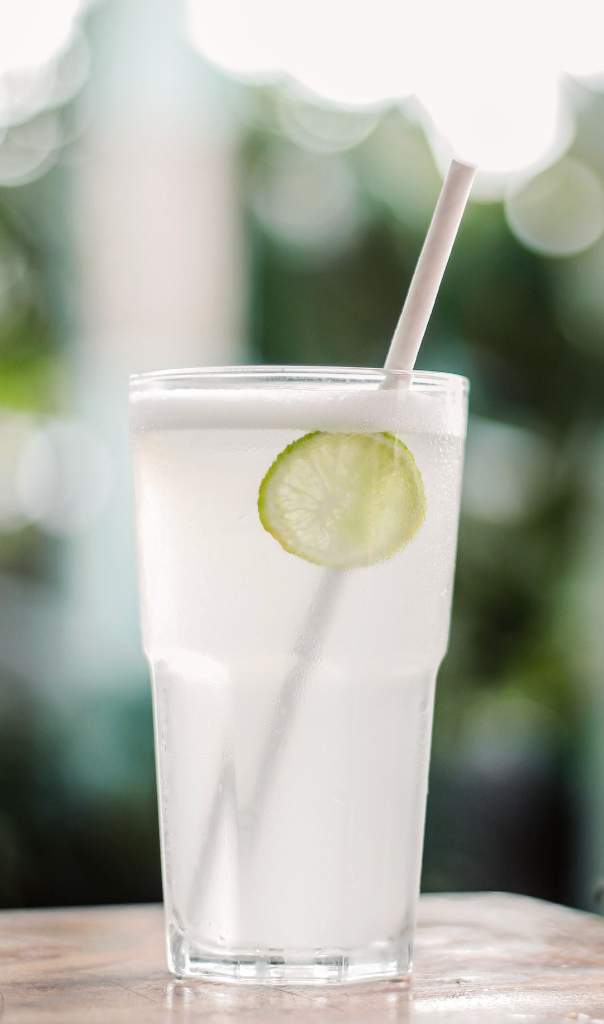
Coconut water has become one of the fastest-growing categories in the beverage world — and for good reason. Naturally hydrating, packed with electrolytes, and loved for its refreshing taste, it’s a drink that feels both simple and luxurious. But how does it get from a fresh coconut on a tropical tree to a clean, shelf-stable can sitting in your fridge?
Whether you're a brand founder exploring your first product line or a beverage enthusiast curious about what goes into the process, here’s a behind-the-scenes look at how canned coconut water is made.
1. It All Starts With the Right Coconuts
Not all coconuts are created equal. The best coconut water typically comes from young green coconuts, harvested at the moment when their water is naturally sweet and rich in nutrients.
Factors manufacturers consider:
- Age of the coconut (usually 6–7 months)
- Origin (Thailand, Vietnam, Philippines, Sri Lanka, Brazil)
- Flavor profile (some regions produce nuttier, sweeter, or more floral water)
- Sustainability and farming practices
This early sourcing step sets the tone for the final product’s quality.
2. Extracting the Water: Precision and Freshness Matter
Once harvested, coconuts are transported to a processing facility where the water must be extracted quickly to prevent oxidation.
Steps include:
- Cleaning and sanitizing the outer shell
- Drilling a precise opening to access the water
- Using sterile, stainless-steel systems for extraction
- Immediate cooling to preserve flavor and nutrients
Freshness is everything. Delays in this stage can lead to sourness, discoloration, or loss of nutrients.
3. Filtration: Keeping It Pure
Raw coconut water contains small pieces of husk, pulp, and natural sediment. Before it can be canned, it goes through a series of filtration steps.
Common filtration methods:
- Microfiltration to remove solids
- Carbon filtration to maintain clarity and remove off-flavors
- Centrifugal filtration for premium-level purity
The goal is simple: clean, clear coconut water that still tastes like it came straight from the fruit.
4. Pasteurization: Making It Shelf-Stable (Without Losing Flavor)
Coconut water is delicate and highly perishable. To make it safe and stable for retail shelves, manufacturers use pasteurization.
Two popular methods:
- HTST (High Temp, Short Time) – quickly heats and cools the water to preserve freshness
- UHT (Ultra-High Temperature) – creates a longer shelf life but can affect taste slightly
Some premium brands use alternatives like cold-fill or HPP, though these methods are more common with bottled products than cans.
5. Choosing the Right Can: Packaging That Protects Quality
Aluminum cans are increasingly popular for coconut water due to their:
- Light protection (prevents oxidation)
- Sustainability (100% recyclable)
- Portability
- Compatibility with flavor stability
But coconut water can be sensitive to metal interactions, so manufacturers use:
- Specialized food-safe inner linings
- Nitrogen dosing to protect freshness and prevent can paneling
- Oxygen removal to maintain flavor
6. Filling & Seaming: Where the Magic Happens
At this stage, formulation turns into a finished beverage.
The production line includes:
- Sterile filling systems to prevent contamination
- Nitrogen dosing if needed
- High-speed seaming machines that securely seal the can
- Batch coding for traceability
Every can is checked for seam integrity, fill level, and pressure.
7. Quality Testing at Every Step
Coconut water demands rigorous quality control.
Testing includes:
- pH
- Brix (sweetness) levels
- Microbial analysis
- Flavor consistency
- Shelf-life simulation
- Can integrity tests
These checks ensure every batch tastes just like the last — and that it stays safe throughout its shelf life.
8. Shipping, Storage & Distribution
Once packaged, the cans need to be stored properly to maintain quality.
Manufacturers focus on:
- Temperature-controlled storage
- Pallet stability
- Efficient regional distribution
The goal is to get the product to shelves quickly while preserving flavor and freshness.
Why Brands Choose Canned Coconut Water
Beyond taste and hydration benefits, coconut water is:
- A fast-growing category in functional beverages
- Perfect for single-serve convenience
- Easy to flavor with mango, lychee, pineapple, passionfruit, and more
- Aligned with health-conscious consumers
For new brands, it offers both simplicity and creativity — a clean base with room for innovation.
Looking to Create Your Own Coconut Water Beverage?
From formulation to sourcing to canning, developing a coconut water product requires the right partners. With the growing demand for clean, natural hydration, now is an ideal time to bring a new coconut-water-based product to life.
Whether you’re dreaming up a classic pure coconut water or an enhanced functional line with electrolytes, botanicals, or fruit blends, let Big Brands help you with your beverage project.