Top Beverage Trends of 2025
As we end 2025, the beverage world is doing more than just refreshing thirst—the trend has been for health, taste, sustainability, and innovation. From alcoholic drinks with lighter footprints to non-alcoholic alternatives that pack serious flavor and functionality, consumers are demanding more from what they sip. Whether you’re a casual drinker, wellness-focused, or someone who just enjoys a drink now and then, there’s something in these trends for you.
Here are the top health & lifestyle beverage trends dominating 2025, what’s behind them, and how they’re changing what we drink.
Why These Beverage Trends Are Important
Beverages are no longer just about flavor or refreshment, they’re a way for people to express their values, support wellness goals, and even address environmental concerns. Here are a few reasons why these trends are taking off:
Wellness is mainstream. More people see what they drink as part of their health plan, gut health, immune support, stress relief, better sleep, etc.
Moderation over excess. Many are choosing fewer drinks or drinks with less alcohol rather than all-out abstinence.
Environmental awareness. The source of ingredients, packaging, and production methods matter more now than ever.
Customization & identity. Drinks are becoming personal: what benefits you want; how you want them to taste; even what your mood is.
Top Beverage Trends for 2025
Here are the major trends reshaping what we see on menus and store shelves:
1. Functional Beverages Take Center Stage
It’s no longer enough just to quench thirst. Drinks are expected to do more: support digestion, boost mood, calm stress, help focus.
Adaptogens such as ashwagandha, rhodiola, and reishi are being used more in drinks designed for stress relief or mental clarity.
Prebiotics and probiotics are growing in popularity—think fermented drinks, kombuchas, gut-friendly sodas that help balance your microbiome.
Beverages with collagen for skin, joint, hair health, or added vitamins/minerals are more common, especially in non-alcoholic wellness lines.
2. Non-Alcoholic & Low-Alcohol Options Go Mainstream
There’s a noticeable shift toward beverages that provide the social and sensory experience of drinking without the hangover or heavy alcohol content.
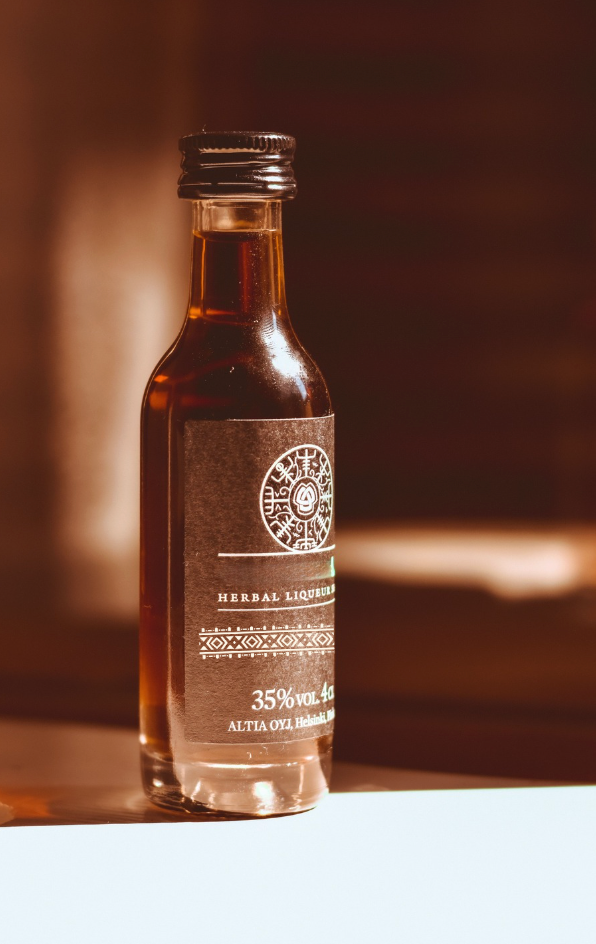
Low-ABV (alcohol by volume) beers/wines and craft non-alcoholic spirits are growing in both availability and sophistication.
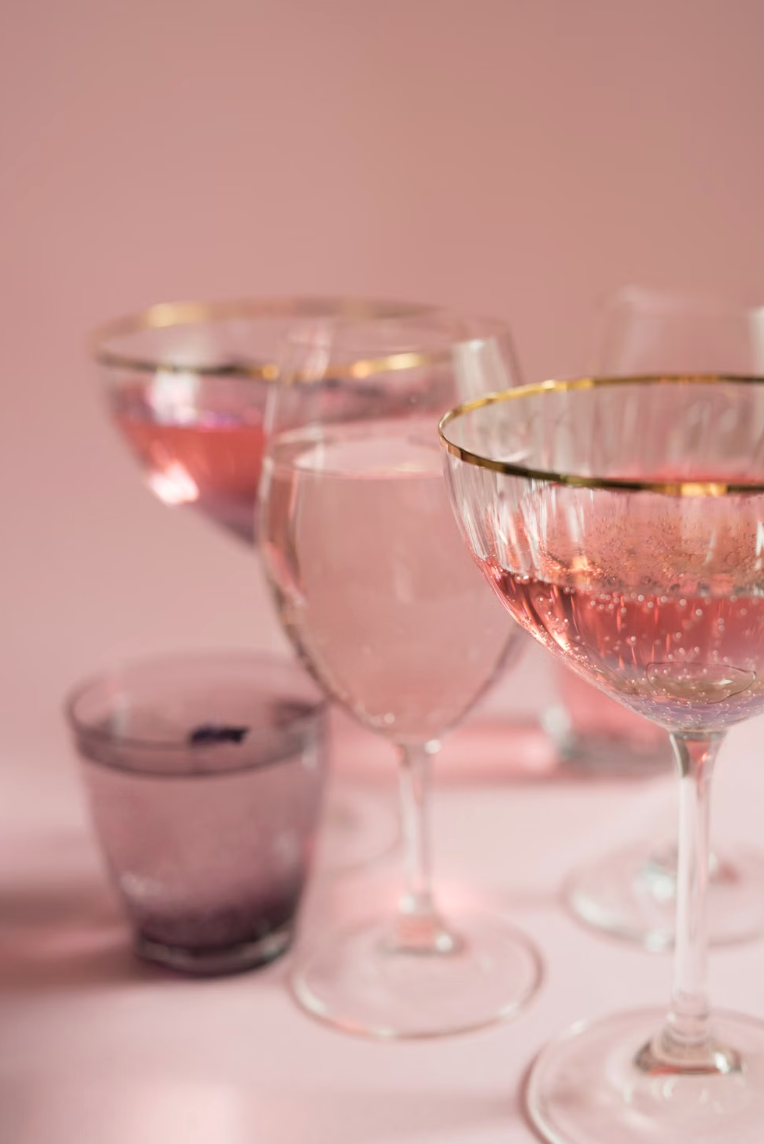
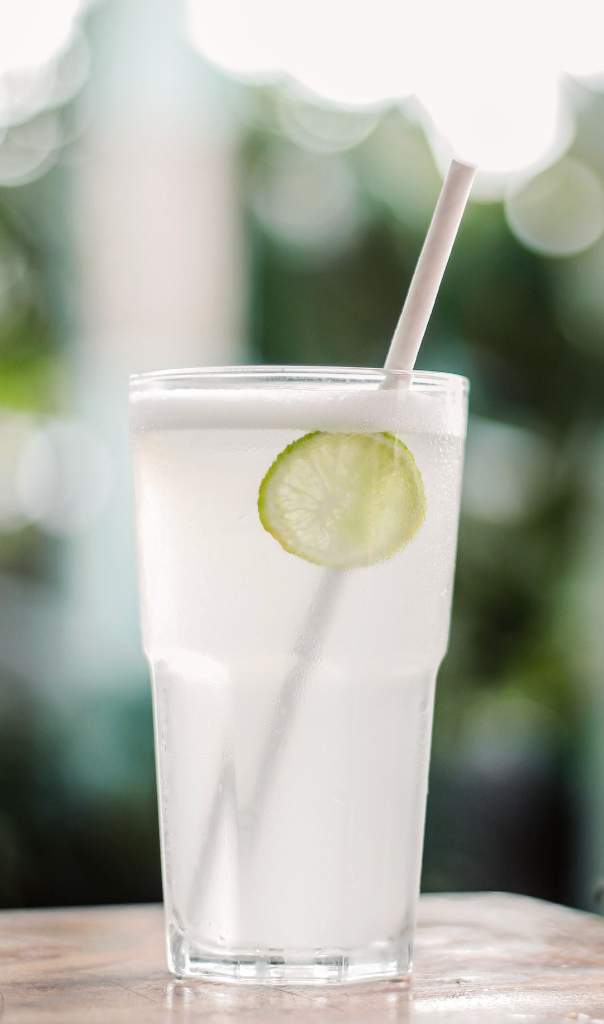
Mocktails and ready-to-drink “spirit-free” drinks are being crafted with premium ingredients to mimic the complexity of cocktails.
The “zebra striping” habit: alternating between alcoholic and non-alcoholic sips is becoming popular as part of moderating consumption.
3. Flavorful Nostalgia & Experimental Blends
People are reaching for flavors that comfort and surprise: childhood memories, nostalgic desserts, or unexpected pairings.
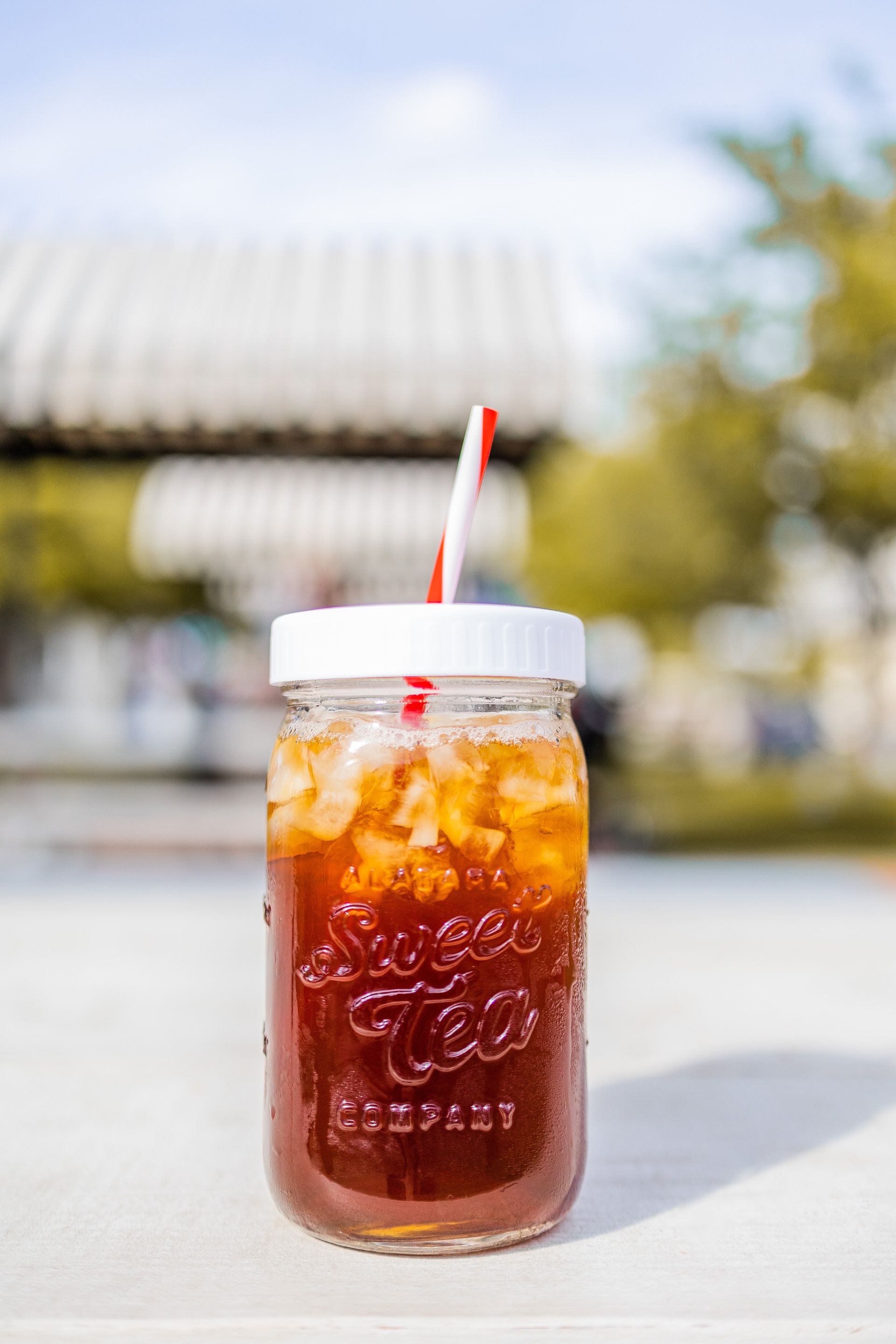
Nostalgic flavors like childhood sweets or drinks are seeing a revival, updated with more natural or healthier components.
Bold combinations are trending: miso-infused beverages, tangy botanical blends, or sweet-savory pairings that push boundaries.
4. Clean Labels & Reduced Sugar
With growing awareness of what goes into beverages, consumers are pushing back on artificial sweeteners, dyes, and unpronounceable ingredients.
Drinks with simple, recognizable ingredients are winning trust. Sugar is being reduced, or replaced by monk fruit, stevia, erythritol, or fruit concentrates.
Minimally processed, organic, plant-based ingredients are more desirable than ever. Artificial colorings, preservatives, and overly refined sugars are on the way out.
5. Hydration Reimagined: Enhanced Waters & Electrolytes
Water isn’t just water anymore. It’s being reinvented to deliver more utility while staying clean and simple.
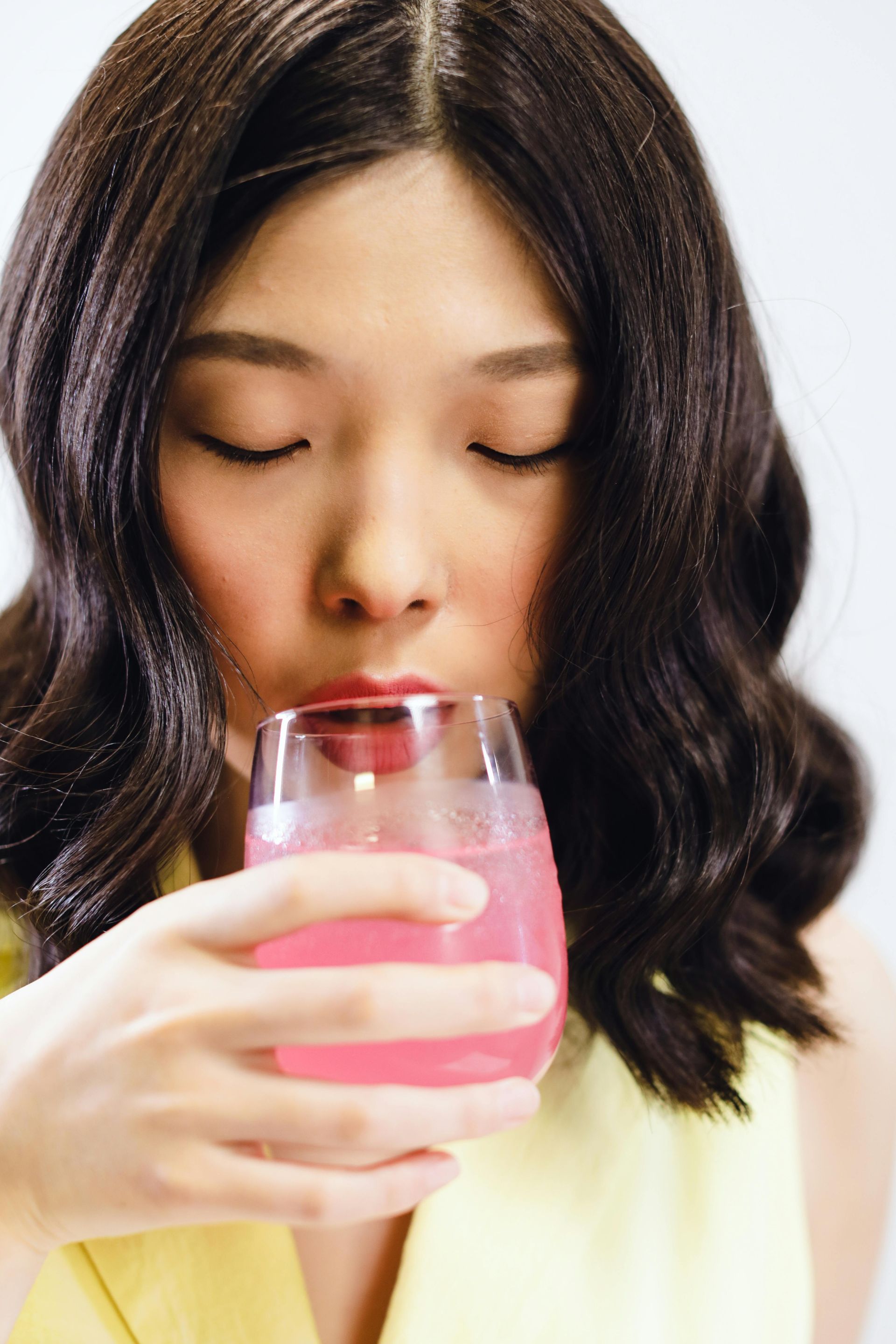
Electrolyte-enhanced waters, vitamin-infused waters, and coconut water blends are popular among people who want hydration with perks.
Hydrogen-infused water and alkaline waters are niche but growing due to claimed antioxidant or balancing benefits.
6. Plant-Based & Alternative Bases Expand
The plant-based movement continues to stretch its roots (pun intended), not just in food but in drinks.
Alternative dairy milks remain strong, but there’s innovation in less common bases: pea protein, hemp, chickpea, even algae or nuts beyond almonds.
Drinks made from upcycled or “imperfect” produce are growing, better for the environment, often cheaper, and tapping into consumer desire to reduce waste.
7. Sustainability, Packaging & Production Ethics
How a drink is made, packaged, and sourced is now almost as important as how it tastes.
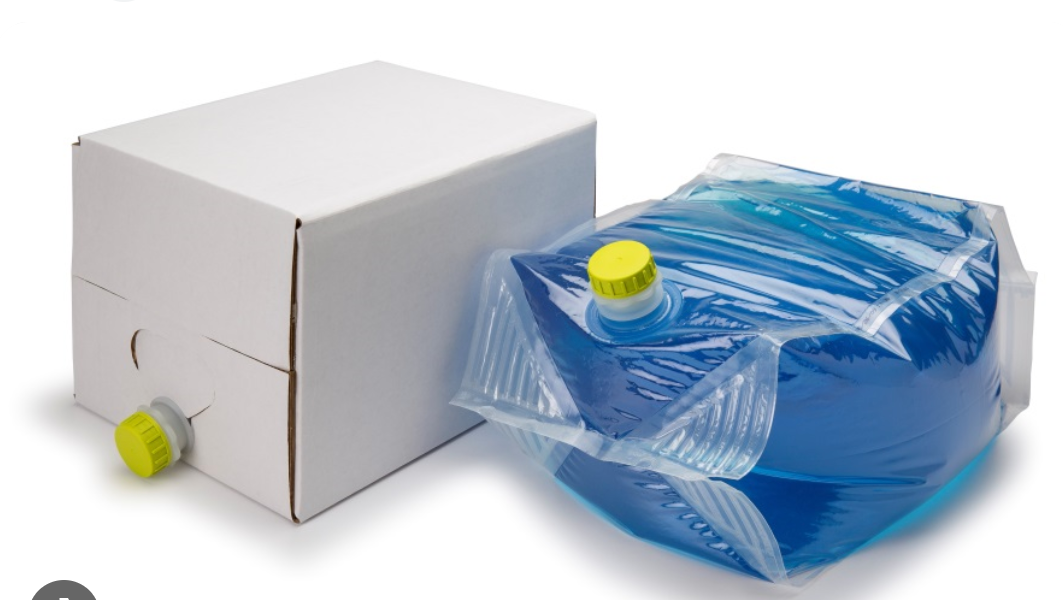
Brands are using recyclable, compostable, or reusable packaging. Heavy plastics, single-use waste, etc., are being phased out.
Regenerative sourcing, ethical farming, reducing carbon footprint, being transparent about where ingredients come from, all matter to consumers.
8. Personalization, Mood & Tech-Driven Customization
Drinks in 2025 are not one-size-fits-all. They’re becoming experiences tailored to mood, need, or even time of day.
Mood-enhancing drinks: blends that help with calm, focus, sleep, energy management. Ingredients like L-theanine, magnesium, herbal adaptogens figure in strongly.
Customizable drinks or mix-and-match functional add-ons (vitamin boosters, adaptogen shots, etc.).
Smart tech and data: apps, subscription models, or kits that let consumers tailor drinks to their preferences, health goals, or even genetic profiles.
What This Means for You When Choosing What to Drink
With all this innovation, you don’t have to compromise, whether you enjoy alcoholic drinks, non-alcoholic ones, or like switching it up. Here are some ideas for applying these trends in your own life:
- Try a non-alcoholic spirit or mocktail that uses botanical or herbal flavors instead of sugary mixers.
- If you drink alcohol, look for lower-ABV cocktails so you get flavor but with a lighter impact.
- Explore enhanced water or electrolyte blends for post-workout or hot days.
- Pick drinks with clean labels and ingredients you recognize. It often means fewer artificial additives and better alignment with health goals.
- Be mindful of packaging, choose reusable bottles, and brands that aim for a minimal environmental footprint.
Final Thoughts
2025 is a turning point for beverages. The trends point to deeper awareness, not just about flavor or novelty, but about what drinks do for us: our bodies, our minds, our planet. Whether it's choosing a craft mocktail, drinking enhanced water, or taking a mood-boosting botanical blend, the options are richer, more intentional, and more aligned with a holistic idea of wellness.
Whatever your preference, boozy or booze-free, functional or relaxing, there’s a drink trend in 2025 that matches your values and lifestyle. Raise a glass (or a mug) to that.

The body content of your post goes here. To edit this text, click on it and delete this default text and start typing your own or paste your own from a different source.